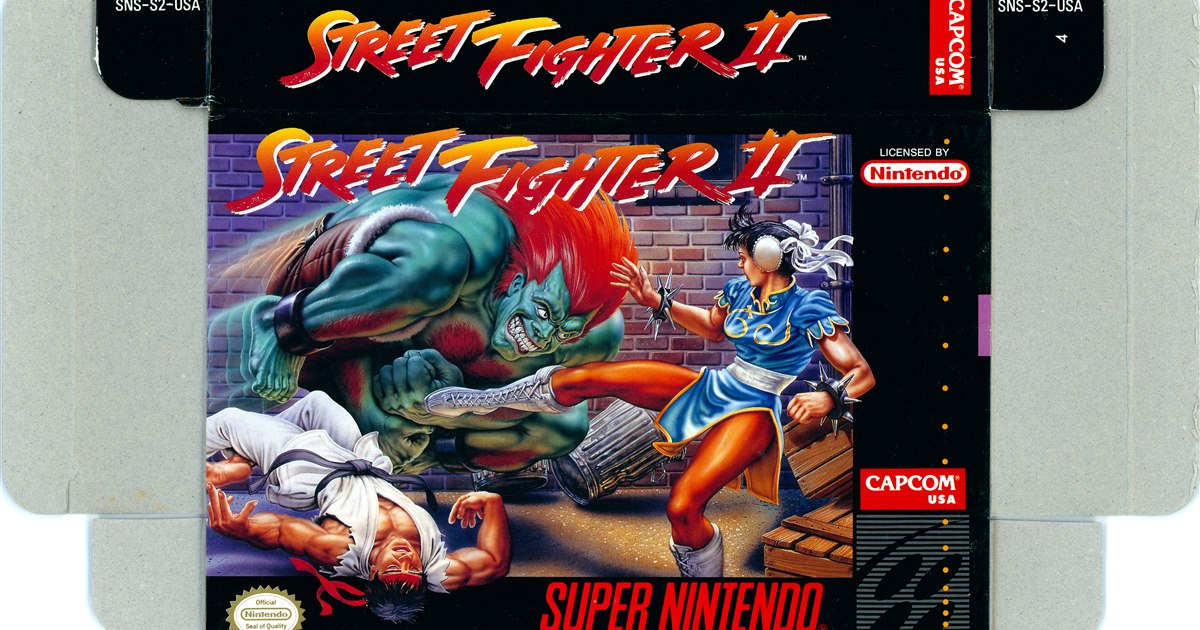
Street Fighter II: The Arcade Fighter That Changed Everything
How Street Fighter II redefined the arcade era, invented the modern fighting game genre, and became one of the best-selling games of all time — character breakdown, version guide, and legacy.
Last updated:
Quick Answer
Street Fighter II (1991) invented the modern fighting game. Six-button layout, eight distinct characters, special move inputs, health bars — the template it created is still the foundation of the genre 35 years later. The SNES port is still one of the finest console versions.
Last Updated
Content reviewed May 2026. Version availability was verified at time of writing. Platform libraries change — confirm current availability before purchasing.
Who This Is For
- Retro gamers curious about where the fighting game genre actually started
- Players who have heard of Street Fighter II but never seriously played it
- SNES owners looking for one of the system’s best games
- Anyone trying to understand why this game specifically changed arcade culture
Key Takeaways
- Street Fighter II launched in arcades in 1991 and instantly dominated cabinet revenue worldwide
- It established the six-button layout, special move inputs, and per-character move sets still used today
- The SNES port (1992) became one of the best-selling SNES titles ever — a major selling point for the console
- Six versions were released between 1991 and 1994, each refining balance and adding features
- Super Street Fighter II Turbo is the competitive standard; the World Warrior is the best starting point for newcomers
How Street Fighter II Happened
The first Street Fighter (1987) was a coin-op curiosity — functional, but limited to two characters and lacking the depth that would define its sequel. Capcom’s follow-up was four years in the making.
Street Fighter II: The World Warrior launched in Japanese arcades in early 1991. Within months it had spread to North America and Europe and was generating revenue at a rate Capcom had not anticipated. Arcade operators reported lines forming at cabinets. Some locations reported machines paying off their purchase cost within weeks.
The reasons were clear in retrospect. Street Fighter II offered something arcade games had not successfully packaged before: a deep competitive game that rewarded study. Every character played differently. Every matchup had layers. You could lose a hundred times to the same opponent and still be learning.
The SNES port arrived in June 1992. Nintendo marketed it heavily — including the tagline “Same Game, Same Moves” — and it sold approximately 6.3 million copies, making it one of the best-selling SNES games ever. The Sega Genesis received its own version later, with different trade-offs.
The Eight Original Characters
The World Warrior launched with eight playable fighters, each built around a distinct fighting style and national identity:
| Character | Origin | Style | Special Move Difficulty |
|---|---|---|---|
| Ryu | Japan | Balanced shoto | ⭐⭐ |
| Ken | USA | Aggressive shoto | ⭐⭐ |
| Chun-Li | China | Speed/kicks | ⭐⭐ |
| Guile | USA | Zoning/charge | ⭐⭐⭐ |
| Blanka | Brazil | Rushdown/beast | ⭐⭐ |
| Zangief | USSR | Grappler | ⭐⭐⭐⭐ |
| Dhalsim | India | Footsies/stretch | ⭐⭐⭐ |
| E. Honda | Japan | Sumo/rushdown | ⭐⭐ |
The four boss characters — Balrog, Vega, Sagat, and M. Bison — were playable only in Champion Edition (1992) onward.
Author tip: Ryu is the most educational starting character. His fireball (quarter-circle forward + punch), dragon punch (forward, down, down-forward + punch), and hurricane kick (quarter-circle back + kick) introduce the three fundamental special move input types in the game.
The Six Versions Explained
Capcom released Street Fighter II six times between 1991 and 1994. This created confusion but also served competitive players who wanted refined balance:
| Version | Year | Key Changes |
|---|---|---|
| The World Warrior | 1991 | Original 8 characters; some moves had exploitable bugs |
| Champion Edition | 1992 | 4 bosses playable; most bugs fixed |
| Hyper Fighting | 1992 | Speed increase; some move properties changed |
| Super SF II | 1993 | 4 new characters (Cammy, Fei Long, Dee Jay, T. Hawk); rebalanced |
| Super SF II Turbo | 1994 | Speed settings; Super Combos introduced; competitive standard |
| HD Remix | 2008 | Redrawn sprites; rebalanced by community; online play |
For casual play, start with The World Warrior or Champion Edition. For competitive play or modern platforms, Super Turbo or HD Remix is the correct choice.
What It Invented
The influence of Street Fighter II on game design is difficult to overstate. Before it, fighting games existed — but they lacked the vocabulary that SF2 created.
Mechanics it established or standardized:
- Six-button layout (three punches, three kicks in two rows)
- Quarter-circle and charge-based special move inputs
- Per-character unique move sets
- Two health bars with best-of-three round structure
- Guard mechanics (holding back to block)
- Winning by time-out (if rounds expired)
- Ranked hierarchy: casual players, intermediate players, competitive players
Every major fighting franchise released after 1991 — Mortal Kombat, Tekken, Virtua Fighter, King of Fighters, Marvel vs. Capcom — built on the foundation Street Fighter II laid. Even games that deliberately rejected its conventions had to define themselves against it.
The SNES Port Specifically
The SNES version of Street Fighter II released in June 1992 deserves separate attention because it was a genuine technical achievement for home hardware of the time.
The SNES version retained:
- All 8 characters with their full move sets
- The six-button control scheme (mapped to the SNES controller)
- The original music and sound effects
- Arcade-accurate stage animations
Trade-offs versus the arcade:
- Slightly slower than the arcade original
- Some graphical effects simplified
- Longer load times between rounds
The SNES controller layout was a near-perfect match for the six-button input scheme. The Genesis version required the six-button controller (sold separately) and had different audio characteristics.
The SNES port became a major system seller — many players bought a SNES specifically to play it at home.
How to Play Today
Street Fighter 30th Anniversary Collection (2018) Available on: PC (Steam), PlayStation 4, Xbox One, Nintendo Switch Includes: 12 games from the SF series, including The World Warrior, Champion Edition, Hyper Fighting, Super SF II, and Super Turbo. Includes online play for select titles.
Super Street Fighter II Turbo HD Remix Available on: PC (via various platforms) The remastered version with redrawn sprites and community-rebalanced gameplay. The closest modern package to the competitive original.
Common Mistakes
- Mashing buttons — Street Fighter II punishes button mashing consistently. Every character’s strongest tools require precise inputs. Start by learning three moves per character and use them intentionally
- Ignoring blocking — holding back is essential. Many new players forget they can block and get overwhelmed by basic pressure
- Skipping the character select — each character has a different learning curve. Zangief and Dhalsim are rewarding but mechanically demanding. Start with Ryu, Ken, or Chun-Li
- Playing every version at once — pick one version and learn it. The differences between versions are significant enough to create confusion if you bounce between them
- Expecting the CPU to teach you the game — the AI in SF2 does not play like a human. To understand the game properly, play against another person
Editor’s Note
Street Fighter II holds up because the fundamentals are clean. Two players, two health bars, winner by skill. The complexity emerges from the interactions between eight distinct move sets, not from artificial systems layered on top.
If you play it for the first time today, expect the first few hours to feel opaque. The inputs take practice. The matchup knowledge takes time. But the game rewards that investment — there is a reason competitive Street Fighter II events still run in 2026.
Start with Champion Edition or the 30th Anniversary Collection. Learn Ryu. Win your first match against another person. That is still one of the better gaming experiences available.
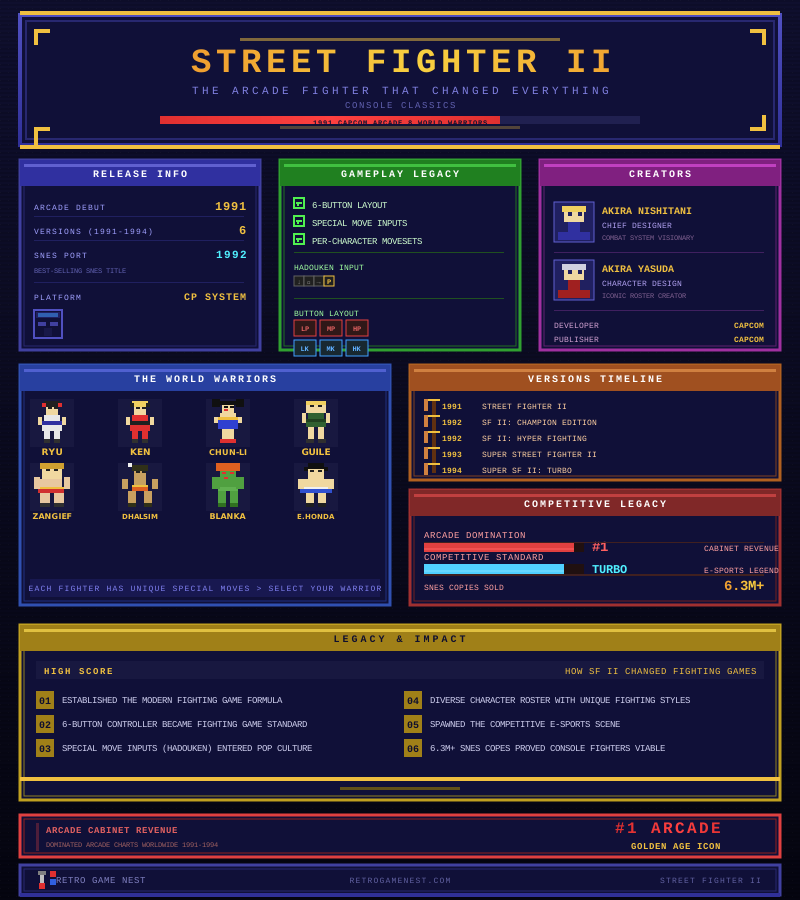 Street Fighter II pixel art infographic — 1991 arcade debut, 8 World Warriors, 6-button layout, and competitive legacy
Sources
- Hardcore Gaming 101 — Street Fighter II: https://www.hardcoregaming101.net/street-fighter-ii/
- MobyGames — Street Fighter II entry: https://www.mobygames.com/game/7310/street-fighter-ii-the-world-warrior/
- Street Fighter 30th Anniversary Collection — Capcom: https://www.capcom.com/us/games/sf/
- Nintendo Life — SF2 SNES review: https://www.nintendolife.com/reviews/snes/street_fighter_ii_the_world_warrior
FAQ
When was Street Fighter II released? Street Fighter II: The World Warrior was released in arcades in 1991. The SNES port followed in 1992.
How many versions of Street Fighter II are there? Six major versions: The World Warrior, Champion Edition, Hyper Fighting, Super Street Fighter II, Super Turbo, and the HD Remix remaster in 2008.
Who are the original 8 characters? Ryu, Ken, Blanka, Guile, Chun-Li, Zangief, Dhalsim, and E. Honda. The four bosses became playable in Champion Edition.
Is Street Fighter II still worth playing today? Yes. The Street Fighter 30th Anniversary Collection is the recommended modern option.
Frequently Asked Questions
- When was Street Fighter II released?
- Street Fighter II: The World Warrior was released in arcades in 1991. The SNES port followed in 1992 and became one of the best-selling SNES games ever made.
- How many versions of Street Fighter II are there?
- Six major versions: The World Warrior (1991), Champion Edition (1992), Hyper Fighting (1992), Super Street Fighter II (1993), Super Turbo (1994), and the HD Remix remaster (2008). Each iteration added characters, balance changes, or speed options.
- Who are the original 8 characters in Street Fighter II?
- Ryu, Ken, Blanka, Guile, Chun-Li, Zangief, Dhalsim, and E. Honda. The four boss characters — Balrog, Vega, Sagat, and M. Bison — became playable in Champion Edition.
- Is Street Fighter II still worth playing today?
- Yes. Super Street Fighter II Turbo HD Remix is available on modern platforms. The original arcade ROM and SNES version remain excellent introductions to the genre. The core design has aged remarkably well.
- What made Street Fighter II so influential?
- It established the standard template for 2D fighting games: six-button layout, special move inputs, character-specific move sets, health bars, and best-of-three rounds. Nearly every fighting game since has used this framework.